Lighting Tips
|
| 1 |
Lighting accounts for about 15% of your
home’s electric use. Screw-in fluorescent bulbs can
replace traditional incandescent light bulbs most of us use.
While more expensive initially, fluorescent bulbs
last 10 times longer and use 75% less power. |
| 2 |
If you prefer incandescent bulbs, try to
use “energy saver” bulbs. These bulbs use halogen gases
that allow the filament to burn brighter and use
less power. |
| 3 |
Match light
bulb wattage to lighting needs when possible. For example, a high
wattage reading light in a hallway or alcove is not
energy efficient. |
| 4 |
Inside your home, lighting controls or
timers can help save energy.
- Timers can be set to turn
lights on or off at predetermined times
- Photocell
controls are sensitive to light and turn lamps on and
off at sundown and sunrise
- Dimmers can vary the level
of illumination according to how much light you may want
in a given situation
- Outdoors, motion detectors can
save energy while providing a high degree of security
- Timers will turn off your outdoor fixtures
automatically at predetermined times
|
| 5 |
Consider “task lighting” (lighting
directed at a specific area) instead of overhead or
general lighting, which may light unused areas of your
home. |
| 6 |
Keeping lights and fixtures clean can
improve efficiency as much as 20%. |
| 7 |
Installing fluorescent bulbs in your
outdoor fixtures will reduce energy consumption.
Just make sure your fluorescent light fixture has
electronic ballast and has been approved for outdoor use
by the Underwriters Laboratory or similar organization. |
|
back to top |
Cooling Tips
|
| 1 |
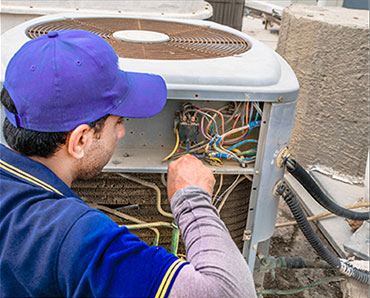
Make sure your air conditioner is the
proper size for the area you are cooling. The wrong size
air conditioner will use more electricity and increase
your energy bills.
- A unit that is too large for a given
area will cool the area too quickly, causing the air
conditioner to frequently turn itself on and off. If a
unit shuts off quickly, chances are it hasn’t been
running long enough to reduce the room’s humidity and
you’ll be uncomfortable.
- If your air conditioner is too
small, it will run constantly on hot
days without ever getting good results, costing more in
energy consumption than a properly sized unit.
|
| 2 |
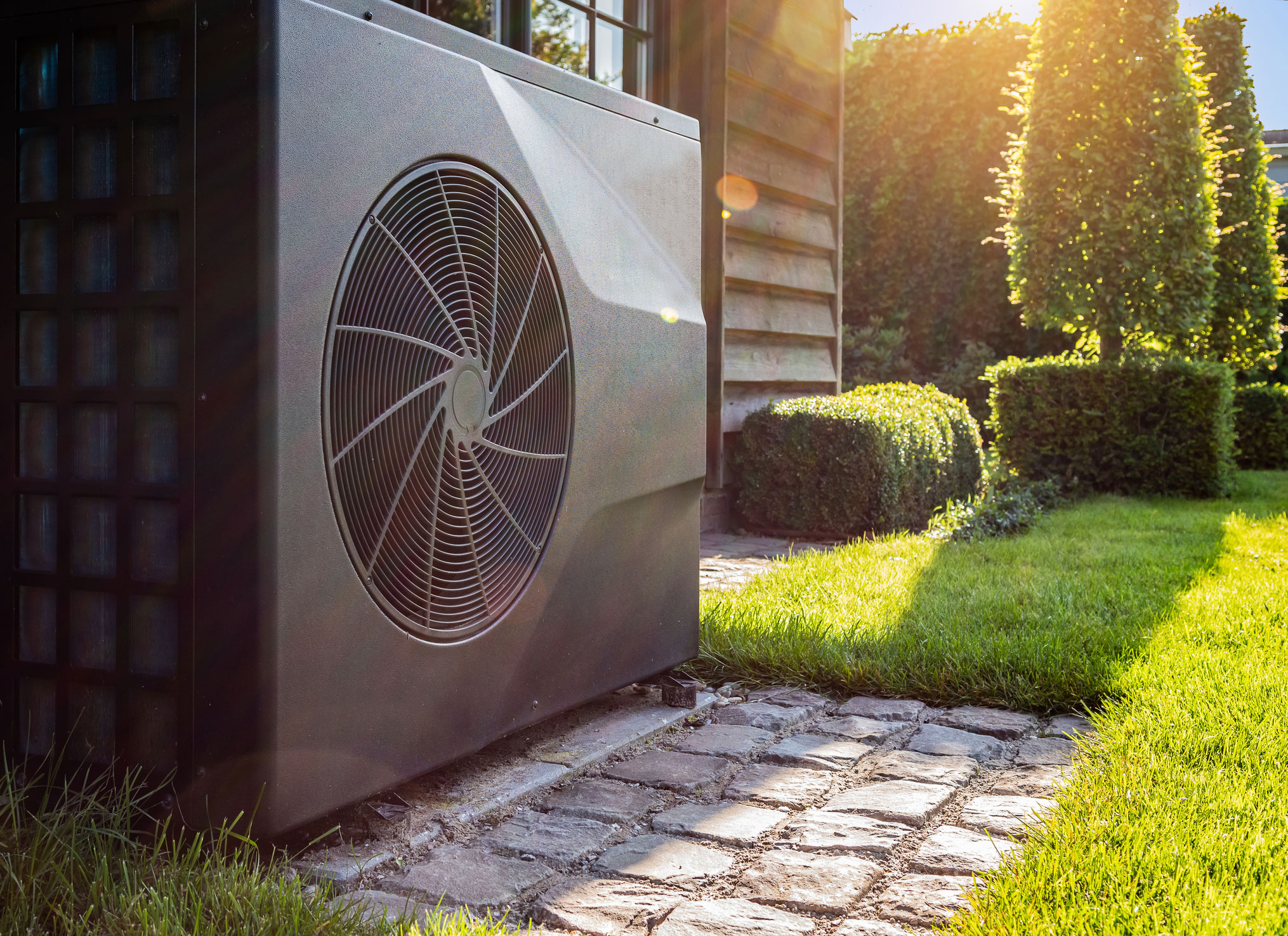
The location of your air conditioner has
a lot to do with how efficient it will be. If you have a
choice, locate your ac units on the north or east side; or the
best-shaded side of your home.
- If exposed to direct sunlight the unit has to work much harder, and uses more
energy to cool your home.
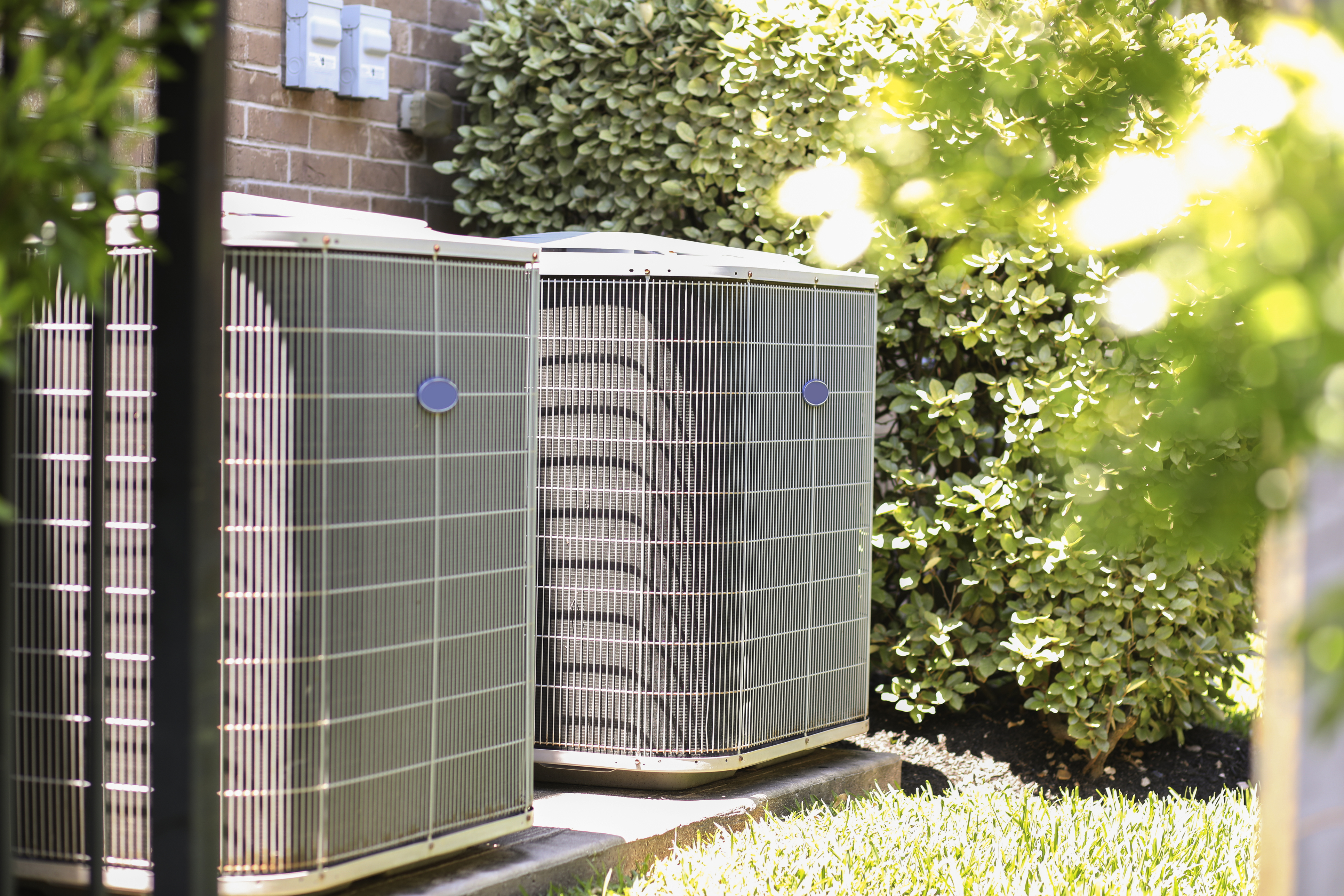
- Keep shrubbery away from your
air conditioner since it blocks vents and reduces the
unit’s ability to exhaust air.
|
| 3 |
Regular maintenance will insure that
your air conditioner operates efficiently throughout the
summer.
- Check the filter once a month by holding it up
to a bright light. If you can’t see through it, it’s
time to clean or replace the filter.
- Check
your owner’s guide to find out how to safely clean the
condenser coils and fins on the outside of the unit.
|
| 4 |
On very hot days, you can save energy by
closing the fresh air intake on your unit. Cooling
fresh, warm outside air requires more electricity than
re-cooling the air that is already circulating in your
home. |
| 5 |
Avoid cooling rooms that are not occupied. If you
like your home to be cool when you come home at the end
of the day, special automatic timers for air
conditioners are available that will turn the unit on
before you arrive home. |
| 6 |
On hot summer days, the temperature in
your attic can reach 150 degrees. Installing an attic fan that is controlled
by a thermostat to exhaust the hot air can greatly
improve the comfort of your home. |
| 7 |
Depending on the size of your home, you
can save 3% on your cooling costs for every degree you
raise your thermostat in the summer. Raising the
thermostat from 73 to 78 degrees can mean savings of up
to 15% in cooling costs. |
| 8 |
Ceiling fans improve the air
circulation in your home, allowing you to raise the
air conditioner’s thermostat. Ceiling
fans use only about one tenth the electricity of a
typical home air conditioner. |
| 9 |
Do your cooking, laundry and
bathing in the early morning or late evenings. These
activities increase the level of humidity in your home,
making it less comfortable. |
| 10 |
Drapes, shades and awnings shield
windows from the hot sun and keep your home cooler:
- If
you have air conditioning, your storm windows also come
in handy during the summer since they keep cool air in
and hot air out.
- Weather-stripping and caulking windows
and door frames will also keep cool air from leaking
out.
- Certain reflective films can be used on windows to
screen out the hot rays of the sun without reducing the
amount of light you receive.
- Keep doors and windows
shut; your air conditioner will operate more
efficiently.
|
|
back to top |
Refrigerator
& Freezer Tips |
| 1 |
If your
refrigerator door does not shut tightly, clean or
replace the door
seal. |
| 2 |
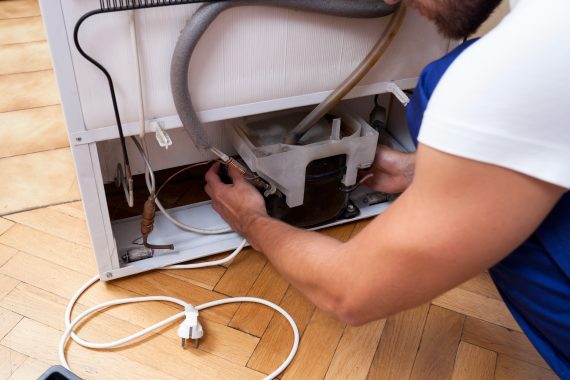
Clean the condenser coils found in
the back or bottom of the refrigerator to maximize its
efficiency. A brush or vacuum can be used. Be sure to
unplug the refrigerator before you start cleaning. |
| 3 |
Keep the refrigerator away from
appliances that create heat, such as ovens and
dishwashers. |
| 4 |
Consider a high efficiency model when
replacing your refrigerator. Compare yellow
EnergyGuide labels and choose the unit that uses the
least amount of electricity. |
| 5 |
A full compartment increases freezer
efficiency. Be careful not to block
the fan or ports that allows cold air to circulate. |
| 6 |
A manual defrost refrigerator typically uses
36% less energy than automatic defrost refrigerators
which use a lot of electricity. |
| 7 |
Check temperature settings for the most
efficient appliance operation. Refrigerator temperature
should be 36-38 degrees and freezer temperature should
be 0-5 degrees. |
|
back to top |
|
| 1 |
Use hot water only for heavily soiled
laundry. Today, detergents are specially formulated
to work just as well in cold water. |
| 2 |
Only run full
loads of laundry to save energy and water. |
| 3 |
Dry each load of laundry immediately after
the one before to use the heat left over from the
previous cycle and increase the efficiency of the dryer. |
| 4 |
Consider purchasing a dryer with a “moisture
sensing” device that shuts off automatically when your
clothes are dry. |
| 5 |
Set your dryer's timer carefully.
Drying your clothes longer than necessary wastes energy
and shortens the life of the fabric. |
| 6 |
Dry heavy and light fabrics separately
to keep drying time to a minimum. |
| 7 |
Check and clean the lint filter before
each load. Lint buildup blocks air flow and lengthens
drying time. |
|
back to top |
|
| 1 |
Check the filters in your warm air
heating system monthly:
- Replace or clean filters when they become dirty
- Have your heating system checked periodically by
a licensed professional
|
| 2 |
Proper insulation in walls, ceilings and
floors reduces the loss of heat to
the outdoors. Insulation will pay for itself in fuel
cost savings. |
| 3 |
Storm windows and doors can reduce heating costs by as
much as 15% by preventing warm air from escaping to
the outside. If you don't have storm windows, sheets of
clear plastic across the windows can minimize heat escape. |
| 4 |
Caulk and/or
weather-strip all cracks in walls and floors, windows
and doors. Keep fireplace dampers closed tightly when not in use. |
| 5 |
Let sunlight in to help keep
your home warm and reduce heating needs. At night or
when the sky is overcast, keep drapes and curtains
closed to help keep the warmth indoors. |
| 6 |
Maintain humidity levels to produce personal comfort at a lower thermostat
setting and save money. Shallow pans of water on
radiator tops or near warm air vents, or a room
humidifier, will help raise humidity levels. |
| 7 |
Insulate hot air ducts and hot
water pipes that provide heat to the rooms in your home
to reduce heat loss in uninsulated areas. |
| 8 |
Keep your heating thermostat at the
lowest temperature comfortable for you. Putting on a
sweater can save you a lot of money on your heating
bill. |
|
back to top |
|
| 1 |
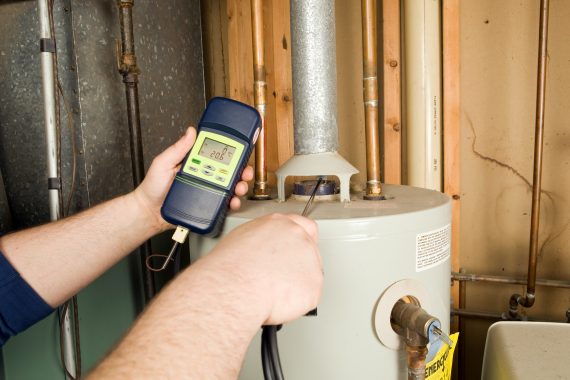
The water heater is the second largest
energy consumer in the home. Using it efficiently
can add up to big savings:
- If you have an an automatic
dishwasher, the hot water heater setting can safely be
lowered to 130-140 degrees.
- If the automatic dishwasher
has a water temperature booster, the water heater
temperature can be set to 110-120 degrees.
- If your house
will be vacant for two or more days, you can lower the
temperature of your water heater even more until you
return.
- If you have a new water heater, drain a few
gallons from your tank every six months to remove
sediment that accumulates and reduces the heater’s
efficiency.
|
| 2 |
Repair leaky faucets as soon as
possible. The constant drip wastes water, energy and
money. |
| 3 |
Wrap a fiberglass blanket around
your water heater and secure it with duct tape to save up to
10% on water heating costs. Also,
insulate hot water pipes to reduce heat loss into your faucets. |